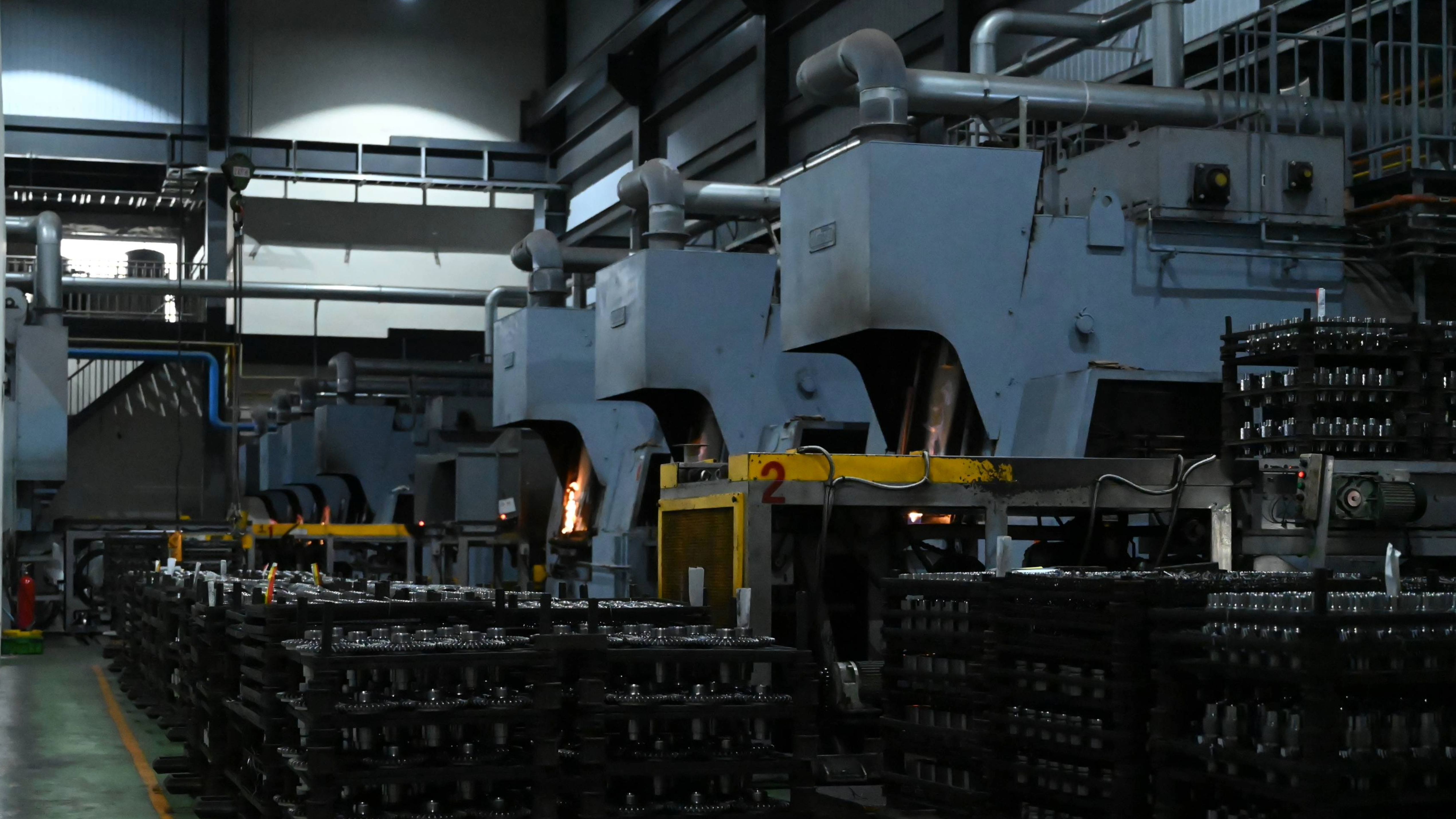
Load into the sealed box furnace
Parts are racked and loaded into the sealed box for even heating. Correct spacing and orientation reduce distortion risk and set up consistent case depth later in the cycle.
Heat Treatment
Taiwan heat treatment OEM—strength built into the metal.
From carburizing and quenching to tempering, high-frequency hardening, and vacuum furnace processing, we tune material properties for real operating loads—not just lab numbers.
Gears, shafts, tooling, and high-stress mechanical parts.
Heat treatment integrated with machining and QC means fewer external queues.
Process flow
Parts are racked and loaded into the sealed box for even heating. Correct spacing and orientation reduce distortion risk and set up consistent case depth later in the cycle.
Oils and contaminants are removed first. Stop-off paint is applied to blueprint-defined zones that must not absorb carbon or nitrogen—so only specified surfaces are hardened.
In the sealed box atmosphere, carbon diffuses into the surface at high temperature. A controlled oil quench then locks the hardened structure—raising wear resistance while keeping a tougher core where the design requires it.
After the hard cycle, stop-off paint and process residue are cleaned away. Only the intended surfaces keep the enhanced case; parts are ready for tempering.
Controlled reheating and cool-down reduce brittleness after quench. Hardness is balanced with toughness so gears, shafts, and tools survive real service loads—not just lab specs.
High-speed blasting cleans and evening the surface, removing scale and machining burrs on edges, keyways, and gear teeth so parts assemble and run more consistently.
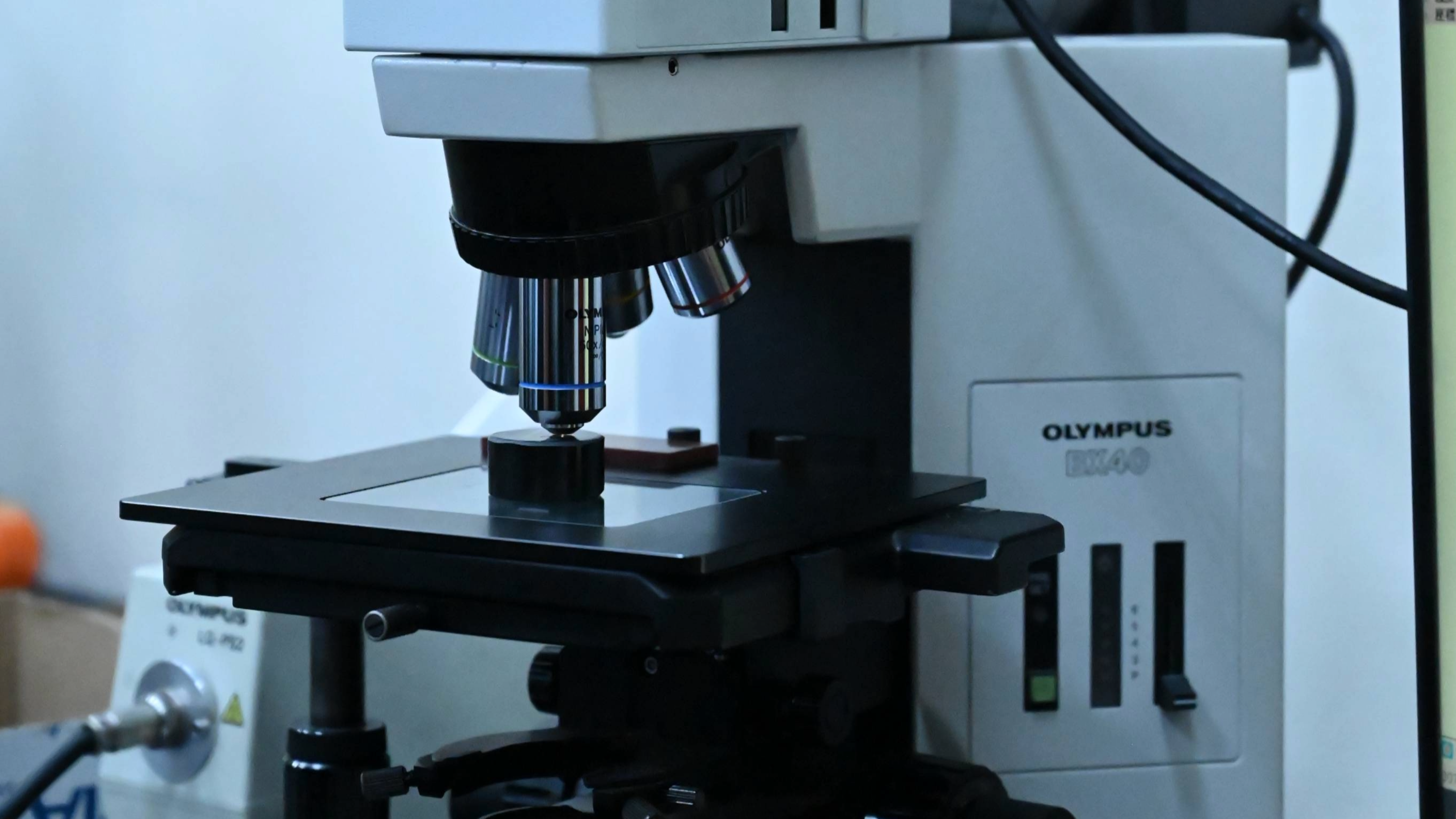
Critical dimensions and heat-treat outcomes are verified against the print—so hardness, appearance, and geometry leave the process with confidence, not guesswork.
High-frequency (HF) heating hardens selected surface zones quickly—depth and location under control—while the core stays tougher. Ideal for gears, shafts, and high surface-stress parts that need local hardening without a full furnace cycle for the whole component.
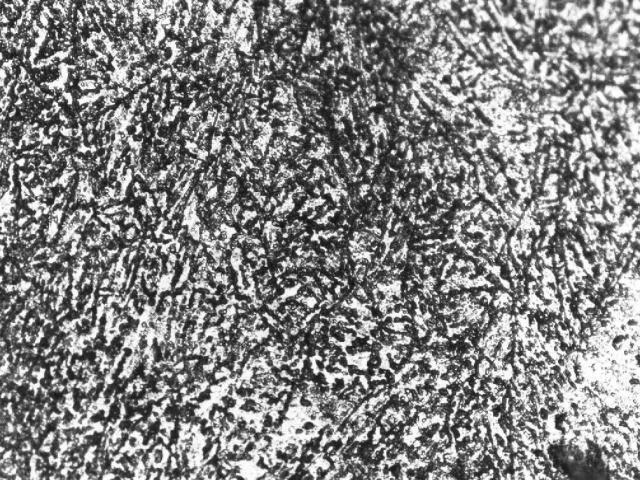
Vacuum furnace processing delivers clean, oxidation-free heat treatment with precise atmosphere control. Suited for high-value steels and parts that need stable hardness, bright surfaces, and consistent metallurgy without scale from open-air heating.
Core flows include carburizing, quench, temper, cleaning/blast steps, plus high-frequency hardening and vacuum furnace processing—planned to drawing and load conditions.
Yes. Stop-off paint and process setup protect zones that must not absorb carbon or nitrogen so only specified surfaces are hardened.
Material grade, hardness or case-depth target, drawing notes (including mask zones), quantity, and whether parts arrive machined or need full process routing.
One Taichung chain reduces queues between suppliers and makes distortion control and final inspection easier to coordinate.
Send drawings or a brief. We’ll recommend a process path—from prototype to production—and reply with next steps.
Contact UsOur highly skilled team is based in Taichung, with dedicated support, manufacturing, and development staff on-site.
Optimized inventory management for seamless production. We handle your parts stock, ensuring timely availability and reducing storage costs.
Efficient manufacturing, ensuring your products meet your schedule without delay.
From prototyping to high-volume production, our experienced team is here to help.