你能獲得
- 滲碳、淬火、回火等完整流程
- 含感應硬化等表面強化選項
- 製程紀律確保結果可重現
適用場景
齒輪、軸心、刀具與高應力機械零件。
為什麼選擇我們
熱處理與加工、品管整合,縮短外包排隊時間。
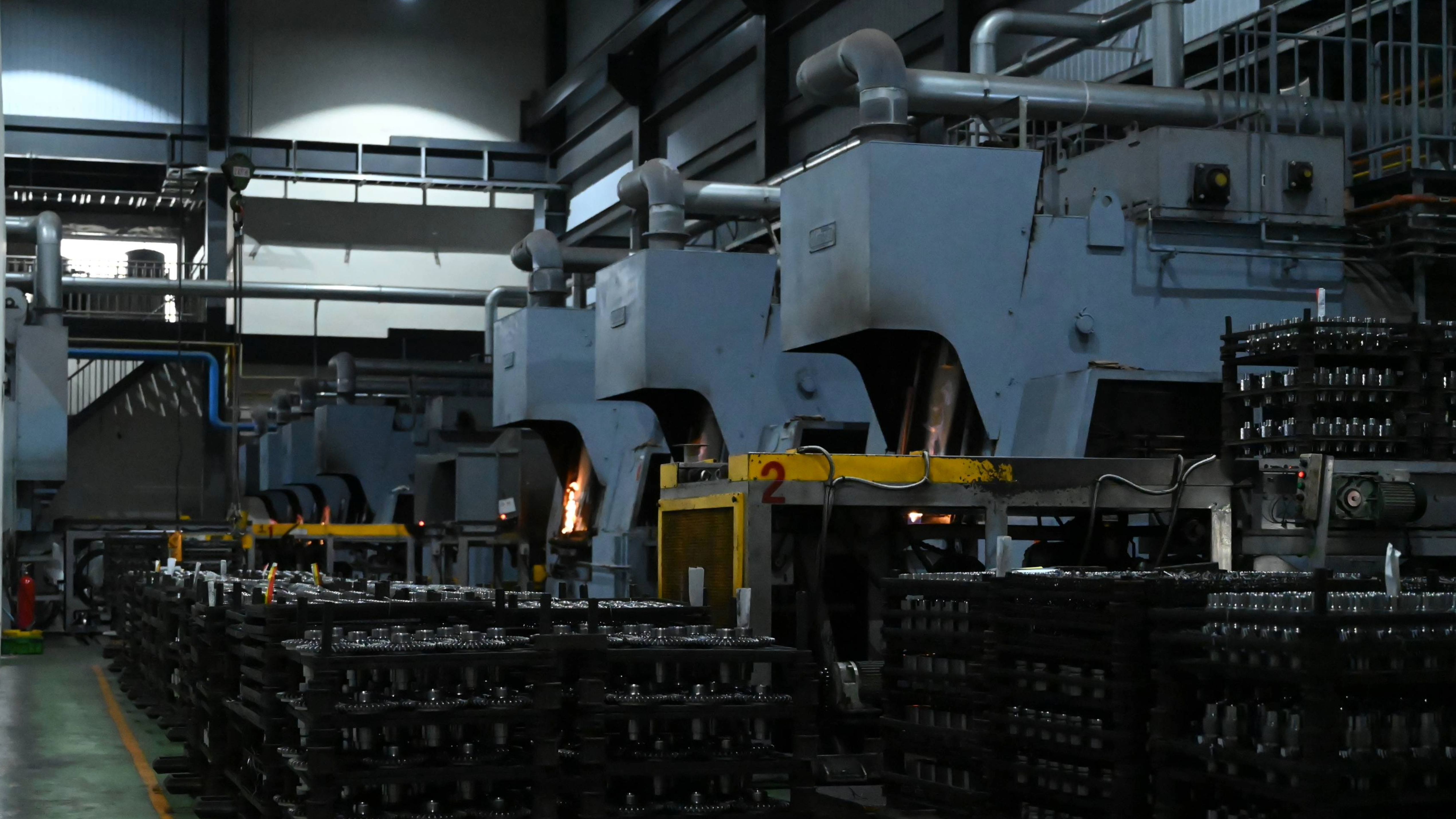
Loading into the Furnace
The parts are carefully loaded into the furnace to ensure uniform heating. Proper placement within the furnace minimizes the risk of deformation during the heat treatment process, setting the stage for optimal hardening results.
Cleaning and Applying Stop-Off Paint
Initially, rust-preventative oils and contaminants are removed from each part. Stop-off paint is then applied to areas that do not require carburizing or nitriding, as specified by the blueprint.This protective coating prevents carbon or nitrogen absorption, providing strong adhesion and high-temperature resistance to ensure precise treatment.
Carburizing and Quenching
The parts undergo carburizing at high temperatures, allowing carbon atoms to penetrate the surface and increase hardness. After carburizing, the parts are rapidly quenched by immersion in quenching oil to lock in the hardened structure, enhancing surface durability and wear resistance.
Cleaning
After carburizing, the stop-off paint is removed from the parts, leaving only the treated areas with enhanced hardness.
Tempering
Following quenching, the parts are tempered by reheating them to a controlled temperature and then cooling them to achieve the desired toughness. This process reduces brittleness, making the parts more resilient to stress without sacrificing hardness.
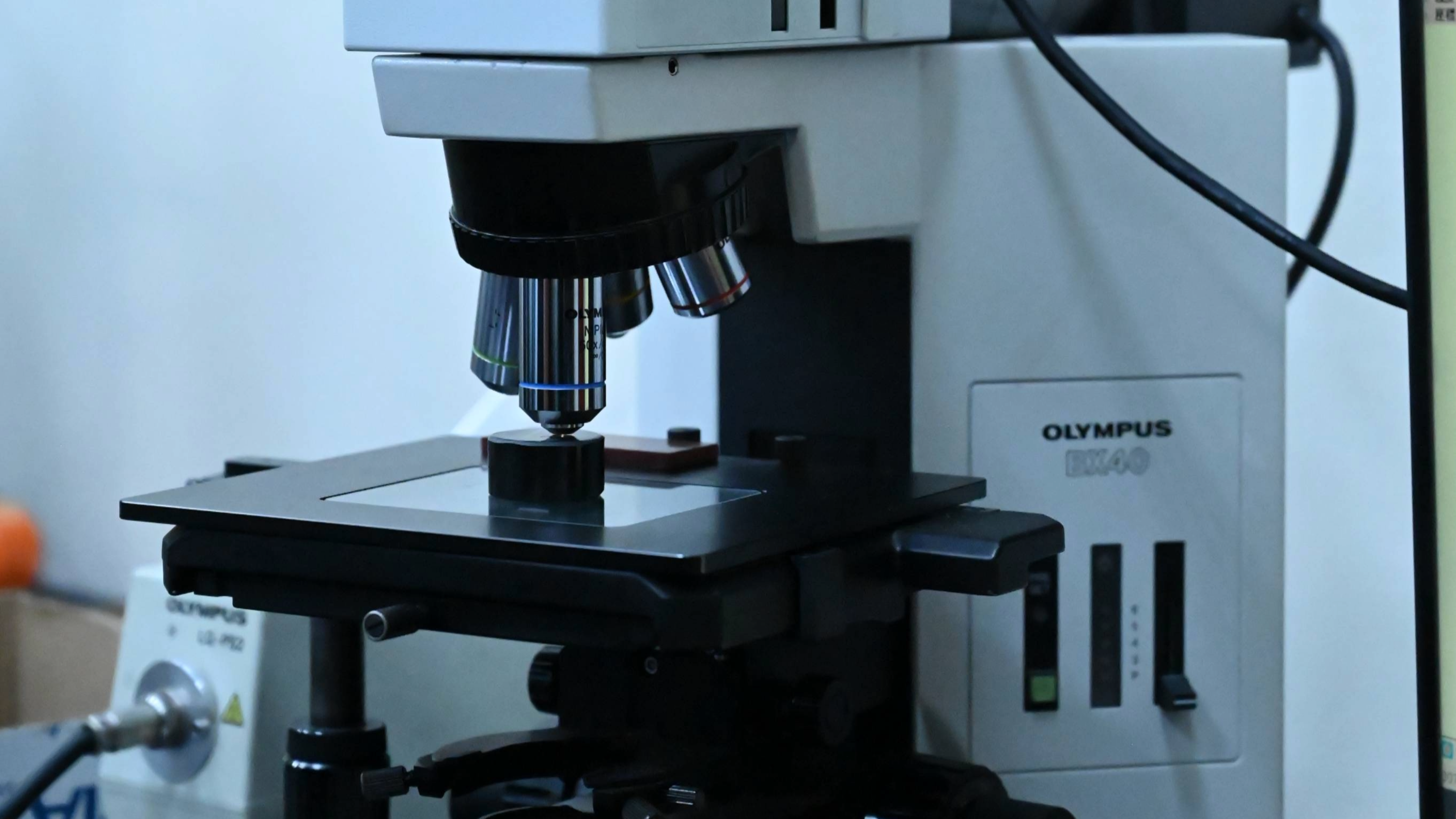
Sandblasting
High-speed sandblasting is used to clean and smooth the surfaces of the parts, specifically removing burrs generated during machining. This process ensures that areas like keyways and gear teeth are free of rough edges, resulting in a smooth and uniform finish for assembly and performance.
Cleaning
After carburizing, the stop-off paint is removed from the parts, leaving only the treated areas with enhanced hardness.
Loading
Cleaning
Carburizing & Quenching
Cleaning
Tempering
Quality inspection
Sandblasting
High-Frequency Induction Heating: Precision Surface Hardening
High-frequency induction heating is a heat treatment process that utilizes electromagnetic induction to heat metal parts rapidly and selectively. By passing a high-frequency alternating current through a coil surrounding the workpiece, an alternating magnetic field is generated, inducing eddy currents on the metal's surface. These currents cause rapid heating of the surface layer while the core remains relatively cool. This method is particularly effective for surface hardening, as it allows precise control over the depth and location of the hardened layer, resulting in enhanced wear resistance and fatigue strength without compromising the toughness of the core. Common applications include hardening of gears, shafts, and other components subjected to high surface stress.

總部位於台灣
我們的技術團隊位於台中,並在現場提供專業的支援、製造及開發服務。
智能庫存解決方案
優化庫存管理以實現無縫生產。我們管理您的零件庫存,確保及時供應並降低儲存成本。
即時交付
高效製造,確保您的產品按時交付。
線上支援
從原型設計到大量生產,我們經驗豐富的團隊隨時為您提供支援。